IC manufacturers (108)
- All manufacturers
 Analog Devices
 Infineon Technologies
 Microchip
 Onsemi
 Renesas
 ROHM
ROHM STMicroelectronics
 Texas Instruments
- 3peak incorporated (35)
- Ablic (23)
- Acco Semiconductor (1)
- Advanced Power (4)
- Allegro Microsystems (100)
- Alpha & Omega Semiconductor (37)
- AnalogySemi (3)
- AnDAPT Inc (204)
- Anpec (13)
- AXElite (2)
- Backward (6)
- Bright Power Semiconductor (1)
- Broadcom (46)
- Cambridge GaN Devices (19)
- Chipanalog Micro (10)
- Cologne Chips (1)
- Convenient Power (1)
- Dialog Semiconductor (12)
- Diodes Incorporated (270)
- Divimath (8)
- Einnosemi (4)
- Elmos AG (1)
- EPC (147)
- e-Peas Semiconductors (1)
- Eta Solutions Co. Ltd. (9)
- GaN Systems (8)
- GaNPower (3)
- Giantec (1)
- Gosemicon (2)
- Gstek Wuxi (1)
- Helix Semiconductor (7)
- IKON (1)
- Indie Semiconductor (8)
- Innovision Semiconductor Inc (2)
- Intel (68)
- Inventchip Technology (3)
- ISSI (52)
- JoulWatt (20)
- KDPOF (3)
- Kinetic Technology (8)
- Lattice semiconductor Corporation (38)
- Linearin (2)
- Littelfuse (1)
- Lumissil Microsystems (12)
- M3 Technology (M3Tek) (7)
- Macnica (22)
- Marvell Semiconductor (1)
- MaxLinear (182)
- Menlo Micro (1)
- MikroE (25)
- MindCet (2)
- Monolithic Power Systems (999)
- Navitas Semiconductor Inc (6)
- NewEdge Technologies, Inc. (1)
- Nexperia (268)
- Nisshinbo Micro Device Inc. (10)
- Nordic Semiconductor (1)
- Novosense Micro (1)
- NXP (347)
- O2 Micro International Ltd (10)
- On Bright (7)
- Panasonic (2)
- PN Junction Semiconductor (2)
- Power Integrations (118)
- Powermat (1)
- Pulsiv (19)
- Qorvo (101)
- Realsil SuRealsil(tek) Microelectronics (1)
- Richtek (297)
- Sanken Electric Co., Ltd. (16)
- Sckipio (6)
- Semtech (86)
- SG-Micro (62)
- SiFive (2)
- Silanna Semiconductor (9)
- Silergy Corporation (34)
- Silicon Laboratory Inc. (108)
- Silicontent Technology (59)
- Silvertel (59)
- Skycore Semiconductors (1)
- Skyworks (33)
- Southchip (29)
- Summit Wireless (1)
- Tagore Tech (7)
- Taiwan Semiconductor (1)
- TDK Corporation (1)
- Tempo Semiconductor (1)
- Torex (37)
- Toshiba (31)
- Transphorm (21)
- TransSIP (2)
- Union (21)
- uPI Semiconductor (2)
- Valens Semiconductor (31)
- VisIC (1)
- Wise Integration (3)
- Wolfspeed (23)
- Xilinx (22)
- XL Semiconductor (3)
- XYSemi (62)
STMicroelectronics STS6NF20V | Demoboard STEVAL-TTPPFC01 AN5964
99.3% efficiency, 2 kW, 3-channel interleaved totem pole PFC with resonant ZVS digital control
Overview
| Topology | Power Factor Correction |
| Input voltage | 90-253 V |
| Output 1 | 390 V |
| IC revision | 2.0 |
Description
Nowadays, in PFC for servers and telecom (for example, PSU for 5G base stations, grid connected smart systems) theachievement of an efficiency >99% is becoming mandatory. The demand for very high efficiency has a strong impact ontopologies, design parameters, materials, and control strategies.The STEVAL-TTPPFC01 offers a very high flat efficiency PFC solution in a full digital three-channel interleaved totem poletopology. A conversion efficiency of 99.3% is obtained using ST MDmesh DM6 superjunction power MOSFETs, as well as avery high power factor and low THDi. The PFC operates in the zero voltage switching (ZVS) resonant mode with hysteresiscurrent control, which is fully implemented in the STM32G474QE microcontroller, thanks to the integrated DACs, fast comparators, and high-resolution timer peripheral HRTIM, to ensure a high dynamic and precise cycle-by-cycle current control.The STEVAL-TTPPFC01 evaluation kit is a modular solution, which consists of a power board, which contains all the mainpassive devices and all the daughter boards plug connectors; a control board, which embeds the STM32G474QE microcontroller; an auxiliary power supply board, which generates all the voltages for driving, sensing, MCU, etc.; three high frequency half-bridge boards; a low-frequency half-bridge board.
Features
- Bridgeless topology: the large input bridge losses of conventional PFCs (diode forward voltage losses) are dramatically reduced thanks to the use of active switches for the mains rectification function (Rds (on) losses in a MOSFET).
- Interleaved architecture: thanks to the phase shedding (enabling/disabling the parallel channels basing on the load requirement) the light load efficiency is improved and a flat efficiency over the whole load range is obtained. Moreover, the superposition of the inductor currents of each boost cell results in a smooth mains current waveform (EMI filter and inductors volume reduction) and output capacitor loss reduction (lower equivalent inductor current ripple).
- Zero voltage switching (ZVS) resonant technique: eliminates the turn-on losses of the power switches over the full mains period to further improve converter efficiency
Typical applications
- Power Supply and converters
More information
Parts approved by STMicroelectronics
Order Code | Datasheet | Simulation | Downloads | Status | Product series | C | Tol. C | Size | Operating Temperature | Safety Class | VIMP(V (DC)) | DF(%) | RISO | Ceramic Type | Packaging | VR 2(V (DC)) | dV/dt(V/µs) | DF @ 1 kHz(%) | Pitch(mm) | Application | Q | Z @ 100 MHz(Ω) | IR(A) | RDC max.(mΩ) | Z @ 25 MHz(Ω) | Fl(mm) | L(mm) | W(mm) | H(mm) | L(mH) | VR(V (DC)) | VT(V (AC)) | Material | Mount | SamplesAvailability & Sample | |||||||||||||||||||||||||||||||||||||||||||||||||||||||||||||||||||||||||||||||||||||||||||||||||||||||||||||||||||||||||||||||||||||||||||||||||||||||||||||||||||||||||||||||||||||||||||||||||||||||||||||||||||||||||||||||||||||||||||||||||||||||||||||||||||||||||||||||||||||||||||||||||||||||||||||||||||||||||||||||||||||||||||||||||||||||||||||||||||||||||||||||||||||||||||||||||||||||||||||||||||||||||||||||||||||||||||||||||||||||||||||||||||||||||||||||||||||||||||||||||||||||||||||||||||||||||||||||||||||||||||||||||||||||||||||||||||||||||||||||||||||||||||||||||||||||||||||||||||||||||||||||||||||||||||||||||||||||||||||||||||||||||||||||||||||||||||||||||||||||||||||||||||||||||||||||||||||||||||||||||||||||||||||||||||||||||||||||||||||||||||||||||||||||||||||||||||||||||||||||||||||||||||||||||||||||||||||||||||||||||||||||||||||||||||||||||||||||||||||||||||||||||||||||||||||||||||||||||||||||||||||||||||||||||||||||||||||||||||||||||||
|---|---|---|---|---|---|---|---|---|---|---|---|---|---|---|---|---|---|---|---|---|---|---|---|---|---|---|---|---|---|---|---|---|---|---|---|---|---|---|---|---|---|---|---|---|---|---|---|---|---|---|---|---|---|---|---|---|---|---|---|---|---|---|---|---|---|---|---|---|---|---|---|---|---|---|---|---|---|---|---|---|---|---|---|---|---|---|---|---|---|---|---|---|---|---|---|---|---|---|---|---|---|---|---|---|---|---|---|---|---|---|---|---|---|---|---|---|---|---|---|---|---|---|---|---|---|---|---|---|---|---|---|---|---|---|---|---|---|---|---|---|---|---|---|---|---|---|---|---|---|---|---|---|---|---|---|---|---|---|---|---|---|---|---|---|---|---|---|---|---|---|---|---|---|---|---|---|---|---|---|---|---|---|---|---|---|---|---|---|---|---|---|---|---|---|---|---|---|---|---|---|---|---|---|---|---|---|---|---|---|---|---|---|---|---|---|---|---|---|---|---|---|---|---|---|---|---|---|---|---|---|---|---|---|---|---|---|---|---|---|---|---|---|---|---|---|---|---|---|---|---|---|---|---|---|---|---|---|---|---|---|---|---|---|---|---|---|---|---|---|---|---|---|---|---|---|---|---|---|---|---|---|---|---|---|---|---|---|---|---|---|---|---|---|---|---|---|---|---|---|---|---|---|---|---|---|---|---|---|---|---|---|---|---|---|---|---|---|---|---|---|---|---|---|---|---|---|---|---|---|---|---|---|---|---|---|---|---|---|---|---|---|---|---|---|---|---|---|---|---|---|---|---|---|---|---|---|---|---|---|---|---|---|---|---|---|---|---|---|---|---|---|---|---|---|---|---|---|---|---|---|---|---|---|---|---|---|---|---|---|---|---|---|---|---|---|---|---|---|---|---|---|---|---|---|---|---|---|---|---|---|---|---|---|---|---|---|---|---|---|---|---|---|---|---|---|---|---|---|---|---|---|---|---|---|---|---|---|---|---|---|---|---|---|---|---|---|---|---|---|---|---|---|---|---|---|---|---|---|---|---|---|---|---|---|---|---|---|---|---|---|---|---|---|---|---|---|---|---|---|---|---|---|---|---|---|---|---|---|---|---|---|---|---|---|---|---|---|---|---|---|---|---|---|---|---|---|---|---|---|---|---|---|---|---|---|---|---|---|---|---|---|---|---|---|---|---|---|---|---|---|---|---|---|---|---|---|---|---|---|---|---|---|---|---|---|---|---|---|---|---|---|---|---|---|---|---|---|---|---|---|---|---|---|---|---|---|---|---|---|---|---|---|---|---|---|---|---|---|---|---|---|---|---|---|---|---|---|---|---|---|---|---|---|---|---|---|---|---|---|---|---|---|---|---|---|---|---|---|---|---|---|---|---|---|---|---|---|---|---|---|---|---|---|---|---|---|---|---|---|---|---|---|---|---|---|---|---|---|---|---|---|---|---|---|---|---|---|---|---|---|---|---|---|---|---|---|---|---|---|---|---|---|---|---|---|---|---|---|---|---|---|---|---|---|---|---|---|---|---|---|---|---|---|---|---|---|---|---|---|---|---|---|---|---|---|---|---|---|---|---|---|---|---|---|---|---|---|---|---|---|---|---|---|---|---|---|---|---|---|---|---|---|---|---|---|---|---|---|---|---|---|---|---|---|---|---|---|---|---|---|---|---|---|---|---|---|---|---|---|---|---|---|---|---|---|---|---|---|---|---|---|---|---|---|---|---|---|---|---|---|---|---|---|---|---|---|---|---|---|---|---|---|---|---|---|---|---|---|---|---|---|---|---|---|---|---|---|---|---|---|---|---|---|---|---|---|---|---|---|---|---|---|---|---|---|---|---|---|---|---|---|---|---|---|---|---|---|---|---|---|---|---|---|---|---|---|---|---|---|---|---|---|---|---|---|---|---|---|---|---|---|---|---|---|---|---|---|---|---|---|---|---|---|---|---|---|---|---|---|---|---|---|---|---|---|---|---|---|---|---|---|---|---|---|---|---|---|---|---|---|---|---|---|---|---|---|---|---|---|---|---|---|---|---|---|---|---|---|---|---|---|---|---|---|---|---|---|---|---|---|---|---|---|---|---|---|---|---|---|---|---|---|---|---|---|---|---|---|---|---|---|---|---|---|---|---|---|---|---|---|---|---|---|---|---|---|---|---|---|---|---|---|---|---|---|---|---|---|---|---|---|---|---|---|---|---|---|---|---|---|---|---|---|---|---|---|---|---|---|---|---|---|---|---|---|---|---|---|
| Log in now to view availability and request availability forecasts. LOGIN | ||||||||||||||||||||||||||||||||||||||||||||||||||||||||||||||||||||||||||||||||||||||||||||||||||||||||||||||||||||||||||||||||||||||||||||||||||||||||||||||||||||||||||||||||||||||||||||||||||||||||||||||||||||||||||||||||||||||||||||||||||||||||||||||||||||||||||||||||||||||||||||||||||||||||||||||||||||||||||||||||||||||||||||||||||||||||||||||||||||||||||||||||||||||||||||||||||||||||||||||||||||||||||||||||||||||||||||||||||||||||||||||||||||||||||||||||||||||||||||||||||||||||||||||||||||||||||||||||||||||||||||||||||||||||||||||||||||||||||||||||||||||||||||||||||||||||||||||||||||||||||||||||||||||||||||||||||||||||||||||||||||||||||||||||||||||||||||||||||||||||||||||||||||||||||||||||||||||||||||||||||||||||||||||||||||||||||||||||||||||||||||||||||||||||||||||||||||||||||||||||||||||||||||||||||||||||||||||||||||||||||||||||||||||||||||||||||||||||||||||||||||||||||||||||||||||||||||||||||||||||||||||||||||||||||||||||||||||||||||||||||||||||||||||||||||||||||||||||||||||
SPECWCAP-CSGP MLCCs 50 V(DC), 10 pF, ±5% | Availability – | Status ActiveProduction is active. Expected lifetime: >10 years. iProduction is active. Expected lifetime: >10 years. | Product seriesWCAP-CSGP MLCCs 50 V(DC) | Capacitance10 pF | Capacitance±5% | Size0603 | Operating Temperature -55 °C up to +125 °C | – | – | – | Insulation Resistance10 GΩ | Ceramic TypeNP0 Class I | Packaging7" Tape & Reel | – | – | – | – | – | Q-Factor600 | – | – | – | – | Pad Dimension0.4 mm | Length1.6 mm | Width0.8 mm | Height0.8 mm | – | Rated Voltage50 V (DC) | – | – | – | –Check availability | |||||||||||||||||||||||||||||||||||||||||||||||||||||||||||||||||||||||||||||||||||||||||||||||||||||||||||||||||||||||||||||||||||||||||||||||||||||||||||||||||||||||||||||||||||||||||||||||||||||||||||||||||||||||||||||||||||||||||||||||||||||||||||||||||||||||||||||||||||||||||||||||||||||||||||||||||||||||||||||||||||||||||||||||||||||||||||||||||||||||||||||||||||||||||||||||||||||||||||||||||||||||||||||||||||||||||||||||||||||||||||||||||||||||||||||||||||||||||||||||||||||||||||||||||||||||||||||||||||||||||||||||||||||||||||||||||||||||||||||||||||||||||||||||||||||||||||||||||||||||||||||||||||||||||||||||||||||||||||||||||||||||||||||||||||||||||||||||||||||||||||||||||||||||||||||||||||||||||||||||||||||||||||||||||||||||||||||||||||||||||||||||||||||||||||||||||||||||||||||||||||||||||||||||||||||||||||||||||||||||||||||||||||||||||||||||||||||||||||||||||||||||||||||||||||||||||||||||||||||||||||||||||||||||||||||||||||||||||||||||||||||
SPECWCAP-CSGP MLCCs 50 V(DC), 100 pF, ±5% | Availability – | Status ActiveProduction is active. Expected lifetime: >10 years. iProduction is active. Expected lifetime: >10 years. | Product seriesWCAP-CSGP MLCCs 50 V(DC) | Capacitance100 pF | Capacitance±5% | Size0603 | Operating Temperature -55 °C up to +125 °C | – | – | – | Insulation Resistance10 GΩ | Ceramic TypeNP0 Class I | Packaging7" Tape & Reel | – | – | – | – | – | Q-Factor1000 | – | – | – | – | Pad Dimension0.4 mm | Length1.6 mm | Width0.8 mm | Height0.8 mm | – | Rated Voltage50 V (DC) | – | – | – | –Check availability | |||||||||||||||||||||||||||||||||||||||||||||||||||||||||||||||||||||||||||||||||||||||||||||||||||||||||||||||||||||||||||||||||||||||||||||||||||||||||||||||||||||||||||||||||||||||||||||||||||||||||||||||||||||||||||||||||||||||||||||||||||||||||||||||||||||||||||||||||||||||||||||||||||||||||||||||||||||||||||||||||||||||||||||||||||||||||||||||||||||||||||||||||||||||||||||||||||||||||||||||||||||||||||||||||||||||||||||||||||||||||||||||||||||||||||||||||||||||||||||||||||||||||||||||||||||||||||||||||||||||||||||||||||||||||||||||||||||||||||||||||||||||||||||||||||||||||||||||||||||||||||||||||||||||||||||||||||||||||||||||||||||||||||||||||||||||||||||||||||||||||||||||||||||||||||||||||||||||||||||||||||||||||||||||||||||||||||||||||||||||||||||||||||||||||||||||||||||||||||||||||||||||||||||||||||||||||||||||||||||||||||||||||||||||||||||||||||||||||||||||||||||||||||||||||||||||||||||||||||||||||||||||||||||||||||||||||||||||||||||||||||||
SPECWCAP-CSGP MLCCs 25 V(DC), 1 nF, ±5% | Availability – | Status ActiveProduction is active. Expected lifetime: >10 years. iProduction is active. Expected lifetime: >10 years. | Product seriesWCAP-CSGP MLCCs 25 V(DC) | Capacitance1 nF | Capacitance±5% | Size0603 | Operating Temperature -55 °C up to +125 °C | – | – | – | Insulation Resistance10 GΩ | Ceramic TypeNP0 Class I | Packaging7" Tape & Reel | – | – | – | – | – | Q-Factor1000 | – | – | – | – | Pad Dimension0.4 mm | Length1.6 mm | Width0.8 mm | Height0.8 mm | – | Rated Voltage25 V (DC) | – | – | – | –Check availability | |||||||||||||||||||||||||||||||||||||||||||||||||||||||||||||||||||||||||||||||||||||||||||||||||||||||||||||||||||||||||||||||||||||||||||||||||||||||||||||||||||||||||||||||||||||||||||||||||||||||||||||||||||||||||||||||||||||||||||||||||||||||||||||||||||||||||||||||||||||||||||||||||||||||||||||||||||||||||||||||||||||||||||||||||||||||||||||||||||||||||||||||||||||||||||||||||||||||||||||||||||||||||||||||||||||||||||||||||||||||||||||||||||||||||||||||||||||||||||||||||||||||||||||||||||||||||||||||||||||||||||||||||||||||||||||||||||||||||||||||||||||||||||||||||||||||||||||||||||||||||||||||||||||||||||||||||||||||||||||||||||||||||||||||||||||||||||||||||||||||||||||||||||||||||||||||||||||||||||||||||||||||||||||||||||||||||||||||||||||||||||||||||||||||||||||||||||||||||||||||||||||||||||||||||||||||||||||||||||||||||||||||||||||||||||||||||||||||||||||||||||||||||||||||||||||||||||||||||||||||||||||||||||||||||||||||||||||||||||||||||||||
SPECWCAP-CSGP MLCCs 25 V(DC), 2.2 nF, ±10% | Availability – | Status ActiveProduction is active. Expected lifetime: >10 years. iProduction is active. Expected lifetime: >10 years. | Product seriesWCAP-CSGP MLCCs 25 V(DC) | Capacitance2.2 nF | Capacitance±10% | Size0603 | Operating Temperature -55 °C up to +125 °C | – | – | Dissipation Factor3.5 % | Insulation Resistance10 GΩ | Ceramic TypeX7R Class II | Packaging7" Tape & Reel | – | – | – | – | – | – | – | – | – | – | Pad Dimension0.4 mm | Length1.6 mm | Width0.8 mm | Height0.8 mm | – | Rated Voltage25 V (DC) | – | – | – | –Check availability | |||||||||||||||||||||||||||||||||||||||||||||||||||||||||||||||||||||||||||||||||||||||||||||||||||||||||||||||||||||||||||||||||||||||||||||||||||||||||||||||||||||||||||||||||||||||||||||||||||||||||||||||||||||||||||||||||||||||||||||||||||||||||||||||||||||||||||||||||||||||||||||||||||||||||||||||||||||||||||||||||||||||||||||||||||||||||||||||||||||||||||||||||||||||||||||||||||||||||||||||||||||||||||||||||||||||||||||||||||||||||||||||||||||||||||||||||||||||||||||||||||||||||||||||||||||||||||||||||||||||||||||||||||||||||||||||||||||||||||||||||||||||||||||||||||||||||||||||||||||||||||||||||||||||||||||||||||||||||||||||||||||||||||||||||||||||||||||||||||||||||||||||||||||||||||||||||||||||||||||||||||||||||||||||||||||||||||||||||||||||||||||||||||||||||||||||||||||||||||||||||||||||||||||||||||||||||||||||||||||||||||||||||||||||||||||||||||||||||||||||||||||||||||||||||||||||||||||||||||||||||||||||||||||||||||||||||||||||||||||||||||||
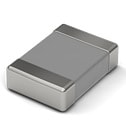 | SPECWCAP-CSSA Interference Suppression, 2.2 nF, ±10% | Availability – | Status ActiveProduction is active. Expected lifetime: >10 years. iProduction is active. Expected lifetime: >10 years. | Product seriesWCAP-CSSA Interference Suppression | Capacitance2.2 nF | Capacitance±10% | Size2211 | Operating Temperature -55 °C up to +125 °C | Safety ClassX1 / Y2 | Impulse Voltage5000 V (DC) | Dissipation Factor2.5 % | Insulation Resistance10 GΩ | Ceramic TypeX7R Class II | Packaging7" Tape & Reel | Rated Voltage 23000 V (DC) | – | – | – | – | – | – | – | – | – | Pad Dimension0.6 mm | Length5.7 mm | Width2.8 mm | Height2.5 mm | – | Rated Voltage250 V (DC) | – | – | MountSMT-Chip | –Check availability | ||||||||||||||||||||||||||||||||||||||||||||||||||||||||||||||||||||||||||||||||||||||||||||||||||||||||||||||||||||||||||||||||||||||||||||||||||||||||||||||||||||||||||||||||||||||||||||||||||||||||||||||||||||||||||||||||||||||||||||||||||||||||||||||||||||||||||||||||||||||||||||||||||||||||||||||||||||||||||||||||||||||||||||||||||||||||||||||||||||||||||||||||||||||||||||||||||||||||||||||||||||||||||||||||||||||||||||||||||||||||||||||||||||||||||||||||||||||||||||||||||||||||||||||||||||||||||||||||||||||||||||||||||||||||||||||||||||||||||||||||||||||||||||||||||||||||||||||||||||||||||||||||||||||||||||||||||||||||||||||||||||||||||||||||||||||||||||||||||||||||||||||||||||||||||||||||||||||||||||||||||||||||||||||||||||||||||||||||||||||||||||||||||||||||||||||||||||||||||||||||||||||||||||||||||||||||||||||||||||||||||||||||||||||||||||||||||||||||||||||||||||||||||||||||||||||||||||||||||||||||||||||||||||||||||||||||||||||||||||||||||||
SPECWCAP-CSGP MLCCs 25 V(DC), 10 nF, ±10% | Availability – | Status ActiveProduction is active. Expected lifetime: >10 years. iProduction is active. Expected lifetime: >10 years. | Product seriesWCAP-CSGP MLCCs 25 V(DC) | Capacitance10 nF | Capacitance±10% | Size0603 | Operating Temperature -55 °C up to +125 °C | – | – | Dissipation Factor3.5 % | Insulation Resistance10 GΩ | Ceramic TypeX7R Class II | Packaging7" Tape & Reel | – | – | – | – | – | – | – | – | – | – | Pad Dimension0.4 mm | Length1.6 mm | Width0.8 mm | Height0.8 mm | – | Rated Voltage25 V (DC) | – | – | – | –Check availability | |||||||||||||||||||||||||||||||||||||||||||||||||||||||||||||||||||||||||||||||||||||||||||||||||||||||||||||||||||||||||||||||||||||||||||||||||||||||||||||||||||||||||||||||||||||||||||||||||||||||||||||||||||||||||||||||||||||||||||||||||||||||||||||||||||||||||||||||||||||||||||||||||||||||||||||||||||||||||||||||||||||||||||||||||||||||||||||||||||||||||||||||||||||||||||||||||||||||||||||||||||||||||||||||||||||||||||||||||||||||||||||||||||||||||||||||||||||||||||||||||||||||||||||||||||||||||||||||||||||||||||||||||||||||||||||||||||||||||||||||||||||||||||||||||||||||||||||||||||||||||||||||||||||||||||||||||||||||||||||||||||||||||||||||||||||||||||||||||||||||||||||||||||||||||||||||||||||||||||||||||||||||||||||||||||||||||||||||||||||||||||||||||||||||||||||||||||||||||||||||||||||||||||||||||||||||||||||||||||||||||||||||||||||||||||||||||||||||||||||||||||||||||||||||||||||||||||||||||||||||||||||||||||||||||||||||||||||||||||||||||||||
SPECWCAP-CSGP MLCCs 25 V(DC), 100 nF, ±10% | Availability – | Status ActiveProduction is active. Expected lifetime: >10 years. iProduction is active. Expected lifetime: >10 years. | Product seriesWCAP-CSGP MLCCs 25 V(DC) | Capacitance100 nF | Capacitance±10% | Size0603 | Operating Temperature -55 °C up to +125 °C | – | – | Dissipation Factor3.5 % | Insulation Resistance5 GΩ | Ceramic TypeX7R Class II | Packaging7" Tape & Reel | – | – | – | – | – | – | – | – | – | – | Pad Dimension0.4 mm | Length1.6 mm | Width0.8 mm | Height0.8 mm | – | Rated Voltage25 V (DC) | – | – | – | –Check availability | |||||||||||||||||||||||||||||||||||||||||||||||||||||||||||||||||||||||||||||||||||||||||||||||||||||||||||||||||||||||||||||||||||||||||||||||||||||||||||||||||||||||||||||||||||||||||||||||||||||||||||||||||||||||||||||||||||||||||||||||||||||||||||||||||||||||||||||||||||||||||||||||||||||||||||||||||||||||||||||||||||||||||||||||||||||||||||||||||||||||||||||||||||||||||||||||||||||||||||||||||||||||||||||||||||||||||||||||||||||||||||||||||||||||||||||||||||||||||||||||||||||||||||||||||||||||||||||||||||||||||||||||||||||||||||||||||||||||||||||||||||||||||||||||||||||||||||||||||||||||||||||||||||||||||||||||||||||||||||||||||||||||||||||||||||||||||||||||||||||||||||||||||||||||||||||||||||||||||||||||||||||||||||||||||||||||||||||||||||||||||||||||||||||||||||||||||||||||||||||||||||||||||||||||||||||||||||||||||||||||||||||||||||||||||||||||||||||||||||||||||||||||||||||||||||||||||||||||||||||||||||||||||||||||||||||||||||||||||||||||||||||
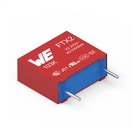 | SPECWCAP-FTX2 Film Capacitors, 470 nF, ±10% | Availability – | Status ActiveProduction is active. Expected lifetime: >10 years. iProduction is active. Expected lifetime: >10 years. | Product seriesWCAP-FTX2 Film Capacitors | Capacitance470 nF | Capacitance±10% | SizePitch: 12.5 mm | Operating Temperature -40 °C up to +105 °C | Safety ClassX2 | – | – | Insulation Resistance21.28 GΩ | – | PackagingBulk | Rated Voltage 2630 V (DC) | Rate of Voltage Rise280 V/µs | Dissipation Factor0.1 % | Pitch12.5 mm | ApplicationAcross the mains | – | – | – | – | – | – | Length15 mm | Width10 mm | Height16 mm | – | Rated Voltage275 V (DC) | – | – | MountBoxed THT | –Check availability | ||||||||||||||||||||||||||||||||||||||||||||||||||||||||||||||||||||||||||||||||||||||||||||||||||||||||||||||||||||||||||||||||||||||||||||||||||||||||||||||||||||||||||||||||||||||||||||||||||||||||||||||||||||||||||||||||||||||||||||||||||||||||||||||||||||||||||||||||||||||||||||||||||||||||||||||||||||||||||||||||||||||||||||||||||||||||||||||||||||||||||||||||||||||||||||||||||||||||||||||||||||||||||||||||||||||||||||||||||||||||||||||||||||||||||||||||||||||||||||||||||||||||||||||||||||||||||||||||||||||||||||||||||||||||||||||||||||||||||||||||||||||||||||||||||||||||||||||||||||||||||||||||||||||||||||||||||||||||||||||||||||||||||||||||||||||||||||||||||||||||||||||||||||||||||||||||||||||||||||||||||||||||||||||||||||||||||||||||||||||||||||||||||||||||||||||||||||||||||||||||||||||||||||||||||||||||||||||||||||||||||||||||||||||||||||||||||||||||||||||||||||||||||||||||||||||||||||||||||||||||||||||||||||||||||||||||||||||||||||||||||||
SPECWCAP-CSGP MLCCs 16 V(DC), 1 µF, ±10% | Availability – | Status ActiveProduction is active. Expected lifetime: >10 years. iProduction is active. Expected lifetime: >10 years. | Product seriesWCAP-CSGP MLCCs 16 V(DC) | Capacitance1 µF | Capacitance±10% | Size0603 | Operating Temperature -55 °C up to +125 °C | – | – | Dissipation Factor10 % | Insulation Resistance0.1 GΩ | Ceramic TypeX7R Class II | Packaging7" Tape & Reel | – | – | – | – | – | – | – | – | – | – | Pad Dimension0.4 mm | Length1.6 mm | Width0.8 mm | Height0.8 mm | – | Rated Voltage16 V (DC) | – | – | – | –Check availability | |||||||||||||||||||||||||||||||||||||||||||||||||||||||||||||||||||||||||||||||||||||||||||||||||||||||||||||||||||||||||||||||||||||||||||||||||||||||||||||||||||||||||||||||||||||||||||||||||||||||||||||||||||||||||||||||||||||||||||||||||||||||||||||||||||||||||||||||||||||||||||||||||||||||||||||||||||||||||||||||||||||||||||||||||||||||||||||||||||||||||||||||||||||||||||||||||||||||||||||||||||||||||||||||||||||||||||||||||||||||||||||||||||||||||||||||||||||||||||||||||||||||||||||||||||||||||||||||||||||||||||||||||||||||||||||||||||||||||||||||||||||||||||||||||||||||||||||||||||||||||||||||||||||||||||||||||||||||||||||||||||||||||||||||||||||||||||||||||||||||||||||||||||||||||||||||||||||||||||||||||||||||||||||||||||||||||||||||||||||||||||||||||||||||||||||||||||||||||||||||||||||||||||||||||||||||||||||||||||||||||||||||||||||||||||||||||||||||||||||||||||||||||||||||||||||||||||||||||||||||||||||||||||||||||||||||||||||||||||||||||||||
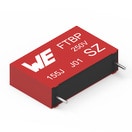 | SPECWCAP-FTBP Film Capacitors, 1 µF, ±5% | Availability – | Status ActiveProduction is active. Expected lifetime: >10 years. iProduction is active. Expected lifetime: >10 years. | Product seriesWCAP-FTBP Film Capacitors | Capacitance1 µF | Capacitance±5% | SizePitch 15 mm | Operating Temperature -40 °C up to +105 °C | – | – | – | Insulation Resistance10 GΩ | – | PackagingCarton | – | Rate of Voltage Rise85 V/µs | Dissipation Factor0.1 % | Pitch15 mm | – | – | – | – | – | – | – | Length18 mm | Width7 mm | Height13 mm | – | Rated Voltage250 V (DC) | – | – | – | –Check availability | ||||||||||||||||||||||||||||||||||||||||||||||||||||||||||||||||||||||||||||||||||||||||||||||||||||||||||||||||||||||||||||||||||||||||||||||||||||||||||||||||||||||||||||||||||||||||||||||||||||||||||||||||||||||||||||||||||||||||||||||||||||||||||||||||||||||||||||||||||||||||||||||||||||||||||||||||||||||||||||||||||||||||||||||||||||||||||||||||||||||||||||||||||||||||||||||||||||||||||||||||||||||||||||||||||||||||||||||||||||||||||||||||||||||||||||||||||||||||||||||||||||||||||||||||||||||||||||||||||||||||||||||||||||||||||||||||||||||||||||||||||||||||||||||||||||||||||||||||||||||||||||||||||||||||||||||||||||||||||||||||||||||||||||||||||||||||||||||||||||||||||||||||||||||||||||||||||||||||||||||||||||||||||||||||||||||||||||||||||||||||||||||||||||||||||||||||||||||||||||||||||||||||||||||||||||||||||||||||||||||||||||||||||||||||||||||||||||||||||||||||||||||||||||||||||||||||||||||||||||||||||||||||||||||||||||||||||||||||||||||||||||
| SPECWCAP-FTX2 Film Capacitors, 3.3 µF, ±10% | Availability – | Status ActiveProduction is active. Expected lifetime: >10 years. iProduction is active. Expected lifetime: >10 years. | Product seriesWCAP-FTX2 Film Capacitors | Capacitance3.3 µF | Capacitance±10% | SizePitch 27.5 mm | Operating Temperature -40 °C up to +105 °C | Safety ClassX2 | – | – | Insulation Resistance3.03 GΩ | – | PackagingBulk | Rated Voltage 2630 V (DC) | Rate of Voltage Rise130 V/µs | Dissipation Factor0.1 % | Pitch27.5 mm | ApplicationAcross the mains | – | – | – | – | – | – | Length31 mm | Width15.5 mm | Height29 mm | – | Rated Voltage275 V (DC) | – | – | MountBoxed THT | –Check availability | ||||||||||||||||||||||||||||||||||||||||||||||||||||||||||||||||||||||||||||||||||||||||||||||||||||||||||||||||||||||||||||||||||||||||||||||||||||||||||||||||||||||||||||||||||||||||||||||||||||||||||||||||||||||||||||||||||||||||||||||||||||||||||||||||||||||||||||||||||||||||||||||||||||||||||||||||||||||||||||||||||||||||||||||||||||||||||||||||||||||||||||||||||||||||||||||||||||||||||||||||||||||||||||||||||||||||||||||||||||||||||||||||||||||||||||||||||||||||||||||||||||||||||||||||||||||||||||||||||||||||||||||||||||||||||||||||||||||||||||||||||||||||||||||||||||||||||||||||||||||||||||||||||||||||||||||||||||||||||||||||||||||||||||||||||||||||||||||||||||||||||||||||||||||||||||||||||||||||||||||||||||||||||||||||||||||||||||||||||||||||||||||||||||||||||||||||||||||||||||||||||||||||||||||||||||||||||||||||||||||||||||||||||||||||||||||||||||||||||||||||||||||||||||||||||||||||||||||||||||||||||||||||||||||||||||||||||||||||||||||||||||
SPECWCAP-CSGP MLCCs 16 V(DC), 10 µF, ±20% | Availability – | Status ActiveProduction is active. Expected lifetime: >10 years. iProduction is active. Expected lifetime: >10 years. | Product seriesWCAP-CSGP MLCCs 16 V(DC) | Capacitance10 µF | Capacitance±20% | Size0805 | Operating Temperature -55 °C up to +85 °C | – | – | Dissipation Factor10 % | Insulation Resistance0.01 GΩ | Ceramic TypeX5R Class II | Packaging7" Tape & Reel | – | – | – | – | – | – | – | – | – | – | Pad Dimension0.5 mm | Length2 mm | Width1.25 mm | Height1.25 mm | – | Rated Voltage16 V (DC) | – | – | – | –Check availability | |||||||||||||||||||||||||||||||||||||||||||||||||||||||||||||||||||||||||||||||||||||||||||||||||||||||||||||||||||||||||||||||||||||||||||||||||||||||||||||||||||||||||||||||||||||||||||||||||||||||||||||||||||||||||||||||||||||||||||||||||||||||||||||||||||||||||||||||||||||||||||||||||||||||||||||||||||||||||||||||||||||||||||||||||||||||||||||||||||||||||||||||||||||||||||||||||||||||||||||||||||||||||||||||||||||||||||||||||||||||||||||||||||||||||||||||||||||||||||||||||||||||||||||||||||||||||||||||||||||||||||||||||||||||||||||||||||||||||||||||||||||||||||||||||||||||||||||||||||||||||||||||||||||||||||||||||||||||||||||||||||||||||||||||||||||||||||||||||||||||||||||||||||||||||||||||||||||||||||||||||||||||||||||||||||||||||||||||||||||||||||||||||||||||||||||||||||||||||||||||||||||||||||||||||||||||||||||||||||||||||||||||||||||||||||||||||||||||||||||||||||||||||||||||||||||||||||||||||||||||||||||||||||||||||||||||||||||||||||||||||||||
 | SPECWE-SUKW SMT EMI Suppression 5-Hole Ferrite Bead, –, – PCN pendingDue to a pending PCN there will be a new datasheet revision issued for this order code soon. Please find the actual as well based on valid PCN date the new revision datasheet below. If you have further questions please get in contact with our sales staff. | Availability – | Status ActiveProduction is active. Expected lifetime: >10 years. iProduction is active. Expected lifetime: >10 years. | Product seriesWE-SUKW SMT EMI Suppression 5-Hole Ferrite Bead | – | – | – | Operating Temperature -55 °C up to +125 °C | – | – | – | – | – | – | – | – | – | – | – | – | Impedance @ 100 MHz580 Ω | Rated Current8.5 A | DC Resistance12 mΩ | Impedance @ 25 MHz425 Ω | Pad Dimension2 mm | Length11 mm | Width5 mm | Height4.65 mm | – | – | – | Material5 W 700 | MountSMT | –Check availability | ||||||||||||||||||||||||||||||||||||||||||||||||||||||||||||||||||||||||||||||||||||||||||||||||||||||||||||||||||||||||||||||||||||||||||||||||||||||||||||||||||||||||||||||||||||||||||||||||||||||||||||||||||||||||||||||||||||||||||||||||||||||||||||||||||||||||||||||||||||||||||||||||||||||||||||||||||||||||||||||||||||||||||||||||||||||||||||||||||||||||||||||||||||||||||||||||||||||||||||||||||||||||||||||||||||||||||||||||||||||||||||||||||||||||||||||||||||||||||||||||||||||||||||||||||||||||||||||||||||||||||||||||||||||||||||||||||||||||||||||||||||||||||||||||||||||||||||||||||||||||||||||||||||||||||||||||||||||||||||||||||||||||||||||||||||||||||||||||||||||||||||||||||||||||||||||||||||||||||||||||||||||||||||||||||||||||||||||||||||||||||||||||||||||||||||||||||||||||||||||||||||||||||||||||||||||||||||||||||||||||||||||||||||||||||||||||||||||||||||||||||||||||||||||||||||||||||||||||||||||||||||||||||||||||||||||||||||||||||||||||||||
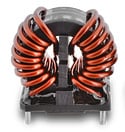 | SPECWE-CMBNC Common Mode Power Line Choke Nanocrystalline, –, – | Availability – | Status ActiveProduction is active. Expected lifetime: >10 years. iProduction is active. Expected lifetime: >10 years. | Product seriesWE-CMBNC Common Mode Power Line Choke Nanocrystalline | – | – | SizeXL | Operating Temperature -55 °C up to +125 °C | – | – | – | – | – | – | – | – | – | – | – | – | – | Rated Current18 A | DC Resistance4.2 mΩ | – | – | Length36 mm | Width23 mm | Height34 mm | Inductance4.5 mH | Rated Voltage300 V (DC) | Insulation Test Voltage2100 V (AC) | MaterialNanocrystalline | MountTHT | –Check availability | ||||||||||||||||||||||||||||||||||||||||||||||||||||||||||||||||||||||||||||||||||||||||||||||||||||||||||||||||||||||||||||||||||||||||||||||||||||||||||||||||||||||||||||||||||||||||||||||||||||||||||||||||||||||||||||||||||||||||||||||||||||||||||||||||||||||||||||||||||||||||||||||||||||||||||||||||||||||||||||||||||||||||||||||||||||||||||||||||||||||||||||||||||||||||||||||||||||||||||||||||||||||||||||||||||||||||||||||||||||||||||||||||||||||||||||||||||||||||||||||||||||||||||||||||||||||||||||||||||||||||||||||||||||||||||||||||||||||||||||||||||||||||||||||||||||||||||||||||||||||||||||||||||||||||||||||||||||||||||||||||||||||||||||||||||||||||||||||||||||||||||||||||||||||||||||||||||||||||||||||||||||||||||||||||||||||||||||||||||||||||||||||||||||||||||||||||||||||||||||||||||||||||||||||||||||||||||||||||||||||||||||||||||||||||||||||||||||||||||||||||||||||||||||||||||||||||||||||||||||||||||||||||||||||||||||||||||||||||||||||||||||
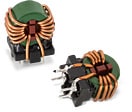 | SPECWE-CMB NiZn Common Mode Power Line Choke, –, – | Availability – | Status ActiveProduction is active. Expected lifetime: >10 years. iProduction is active. Expected lifetime: >10 years. | Product seriesWE-CMB NiZn Common Mode Power Line Choke | – | – | SizeS | Operating Temperature -40 °C up to +125 °C | – | – | – | – | – | – | – | – | – | – | – | – | – | Rated Current10 A | DC Resistance3 mΩ | – | – | Length18.5 mm | Width14.5 mm | Height22 mm | Inductance0.016 mH | Rated Voltage250 V (DC) | Insulation Test Voltage1500 V (AC) | MaterialNiZn | MountTHT | –Check availability | ||||||||||||||||||||||||||||||||||||||||||||||||||||||||||||||||||||||||||||||||||||||||||||||||||||||||||||||||||||||||||||||||||||||||||||||||||||||||||||||||||||||||||||||||||||||||||||||||||||||||||||||||||||||||||||||||||||||||||||||||||||||||||||||||||||||||||||||||||||||||||||||||||||||||||||||||||||||||||||||||||||||||||||||||||||||||||||||||||||||||||||||||||||||||||||||||||||||||||||||||||||||||||||||||||||||||||||||||||||||||||||||||||||||||||||||||||||||||||||||||||||||||||||||||||||||||||||||||||||||||||||||||||||||||||||||||||||||||||||||||||||||||||||||||||||||||||||||||||||||||||||||||||||||||||||||||||||||||||||||||||||||||||||||||||||||||||||||||||||||||||||||||||||||||||||||||||||||||||||||||||||||||||||||||||||||||||||||||||||||||||||||||||||||||||||||||||||||||||||||||||||||||||||||||||||||||||||||||||||||||||||||||||||||||||||||||||||||||||||||||||||||||||||||||||||||||||||||||||||||||||||||||||||||||||||||||||||||||||||||||||||
| Expected Availability | Opening inventory | Quantity |
|---|---|---|
| Current Availability | – | – |